SS Oregon
Ocean Liner · United Kingdom · Lost 1886 · Long Island & the New York Approaches
A record-breaking Cunard liner, once holder of the Blue Riband, sunk in a night collision off Long Island in 1886.
Become Captain of RecordSee Shipwreck on Map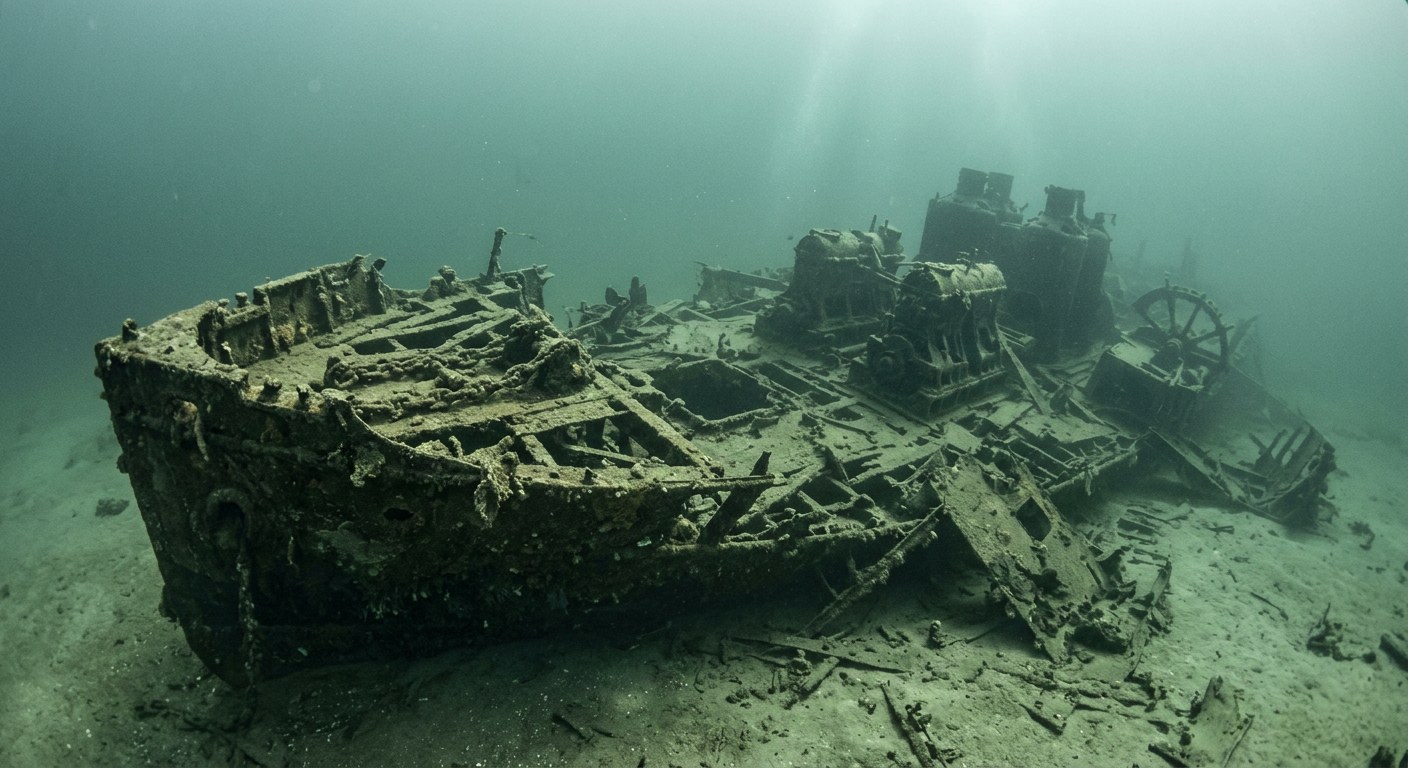
The Vessel and Her Loss
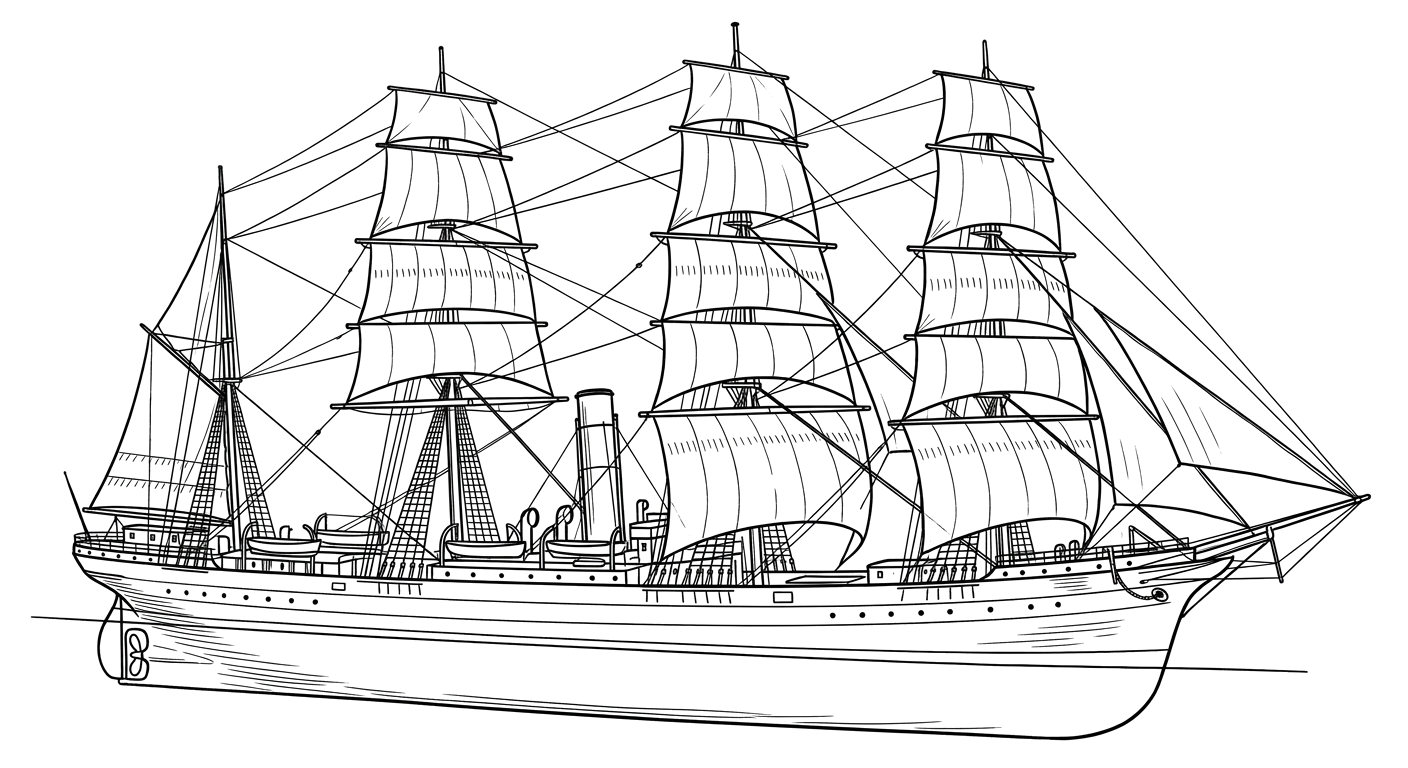
Built in 1883 for the Guion Line, Oregon briefly held the Blue Riband as the fastest liner crossing the Atlantic before passing to Cunard in 1884. On the night of March 14, 1886, while nearing New York, she was struck by a sailing schooner believed to be the Charles H. Morse. The collision opened her hull below the waterline, and although virtually everyone aboard was rescued, the great liner sank the following day. Her wreck off Fire Island remains one of the best-known dive sites on the Long Island coast.
Vessel
- 1883
- John Elder & Company
- Govan, Scotland
- Iron
- 520 ft
- 54 ft
- 7375
- Compound steam engine, single screw, with auxiliary sail
- Guion Line (1883-1884); Cunard Line (1884-1886)
Loss
- March 14, 1886
- Collision
- About 18 nautical miles south of Fire Island, Long Island, New York
- Atlantic Ocean
- Liverpool, England → New York, New York
- Not established
- Not established
- 0
- Philip Cottier
The Wreck Today
- 85-130
- Broken but recognizable; bow section most intact, boilers and engine prominent, stern featuring a large steering quadrant.
- Bow facing north
- Not established
- Not established
Position
- 40.51° N 72.86° W
- Approximate position
- Fire Island, New York
Position varies slightly between published dive charts; treated as approximate.
Evidence
Overall confidence: Documented (85/100)
The identity of the colliding schooner is generally accepted as the Charles H. Morse but was never conclusively proven.
Cunard Line shipwreck history (cunardshipwrecks.com)
Build details, collision, loss date, wreck depth and orientation.
Wikipedia (cross-checked against maritime histories)
Ownership history, dimensions, and collision narrative.