USCSS Robert J. Walker
Survey Steamer · United States · Lost 1860 · The New Jersey Coast
A pioneering iron-hulled survey steamer lost in a night collision off Atlantic City, the deadliest disaster in NOAA's history.
Jordan Glick
See Shipwreck on Map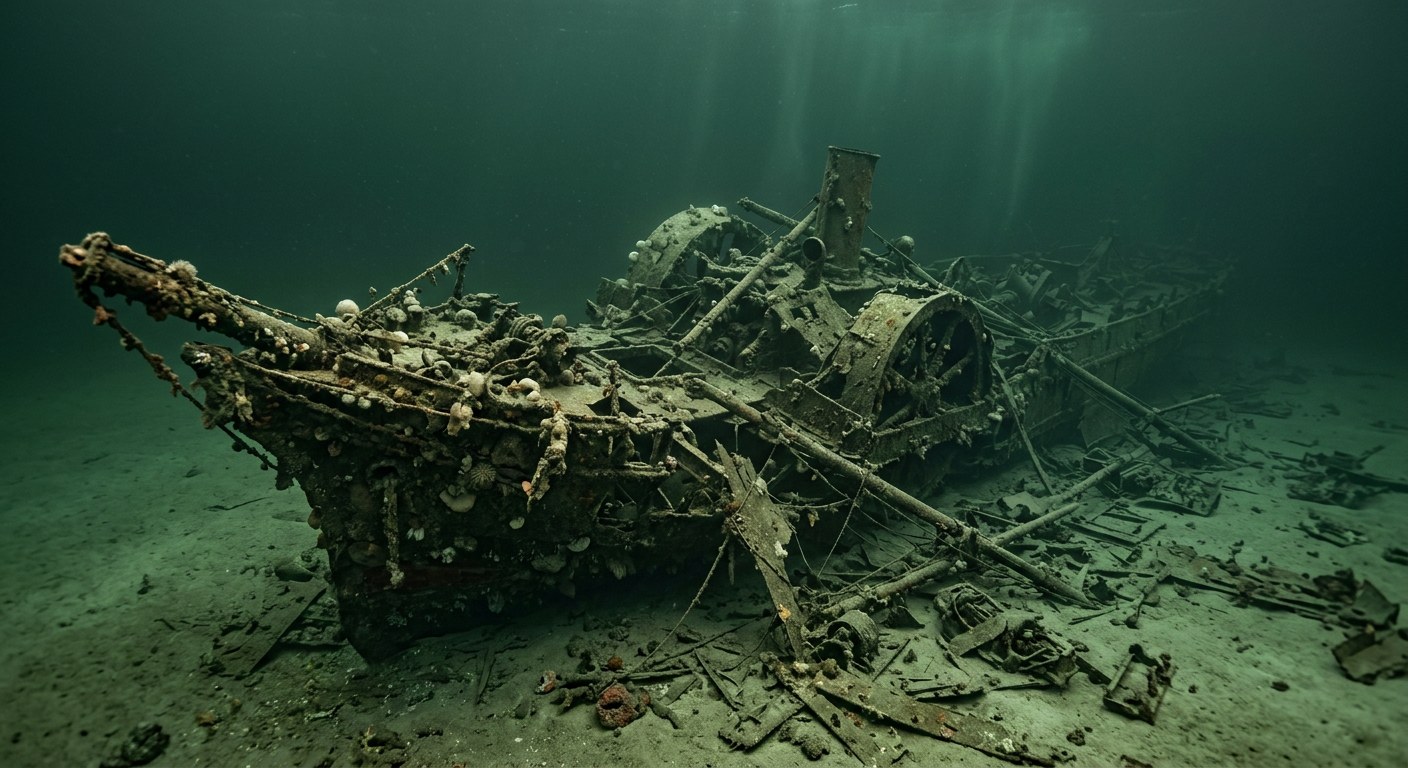
The Vessel and Her Loss
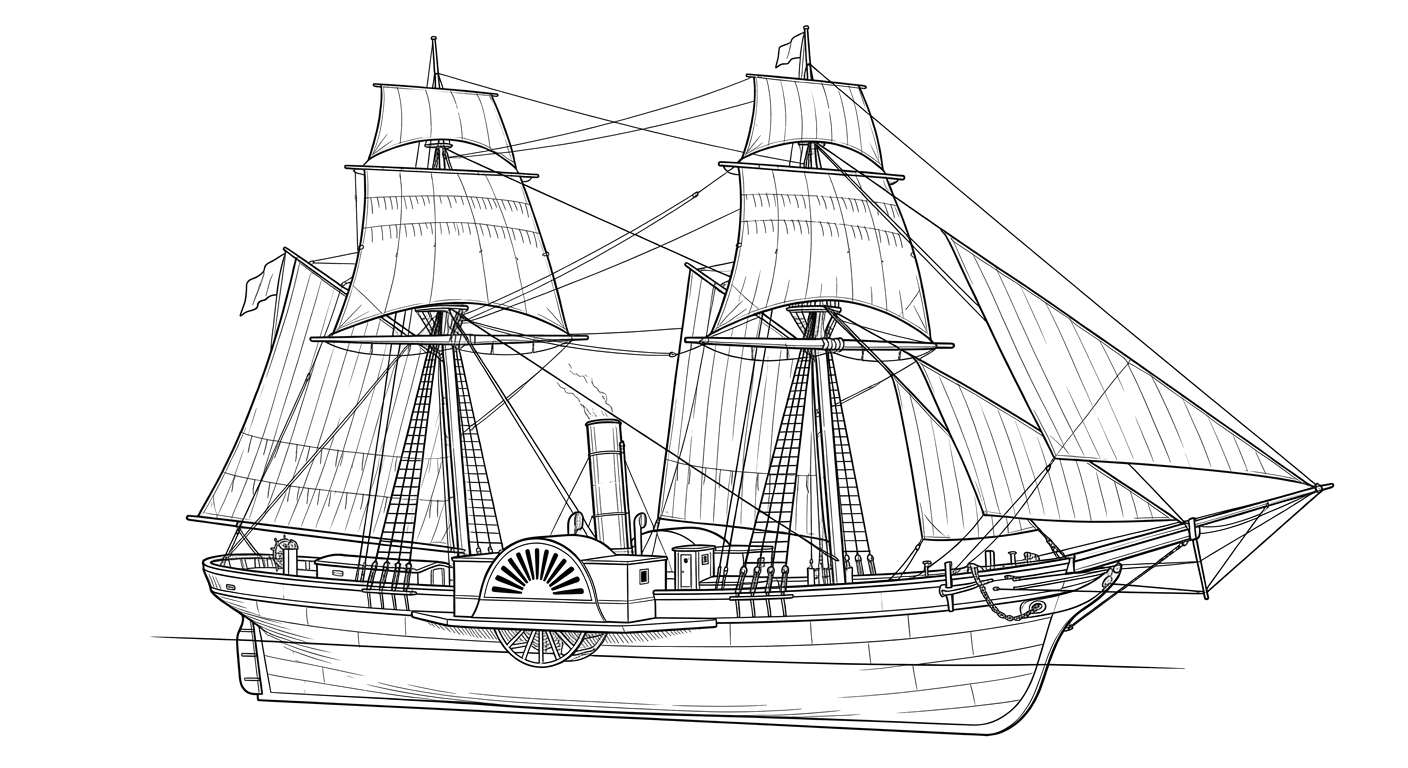
Built in 1847 as an iron-hulled revenue cutter, Robert J. Walker was transferred to the U.S. Coast Survey in 1848 and spent over a decade charting the Gulf Coast and Atlantic seaboard. On June 21, 1860, she collided at night with the schooner Fanny off Absecon Inlet, New Jersey, and sank quickly, killing 21 of the 72 people aboard. The wreck lay unidentified for over a century until a 2013 NOAA survey confirmed its identity, honoring the crew lost in the worst single disaster in the agency's history.
Vessel
- 1847
- Tomlinson & Co.
- Pittsburgh, Pennsylvania
- Iron
- 133 ft
- 31 ft
- 358
- Steam, sidewheel, with brigantine sail rig
- United States Revenue-Marine (1847-1848); United States Coast Survey (1848-1860)
Loss
- June 21, 1860
- Collision
- Off Absecon Inlet, near Atlantic City, New Jersey
- Atlantic Ocean
- New York, New York
- Not established
- 72
- 21
- Commander James Topham Huger
The Wreck Today
- Not established
- Broken debris field
- Not established
- 1970s (as an unidentified site); confirmed as Robert J. Walker in 2013
- Listed on the National Register of Historic Places
Position
- 39.280° N 74.330° W
- Surveyed position
- Absecon Inlet, near Atlantic City, New Jersey
Evidence
Overall confidence: Well documented (93/100)
Build details, collision account, casualty figures.
NOAA Office of National Marine Sanctuaries, wreck identification report
2013 survey confirming wreck identity and location.