Boscawen
Sloop Of War · Great Britain · Lost Abandoned and sank at the King's Shipyard near Fort Ticonderoga after the Seven Years' War; the exact year is not established in the sources reviewed. · Lake Champlain
A 1759 Royal Navy sloop built in weeks at Ticonderoga's wartime shipyard, excavated in the 1980s with over a thousand recovered artifacts.
The Vessel and Her Loss
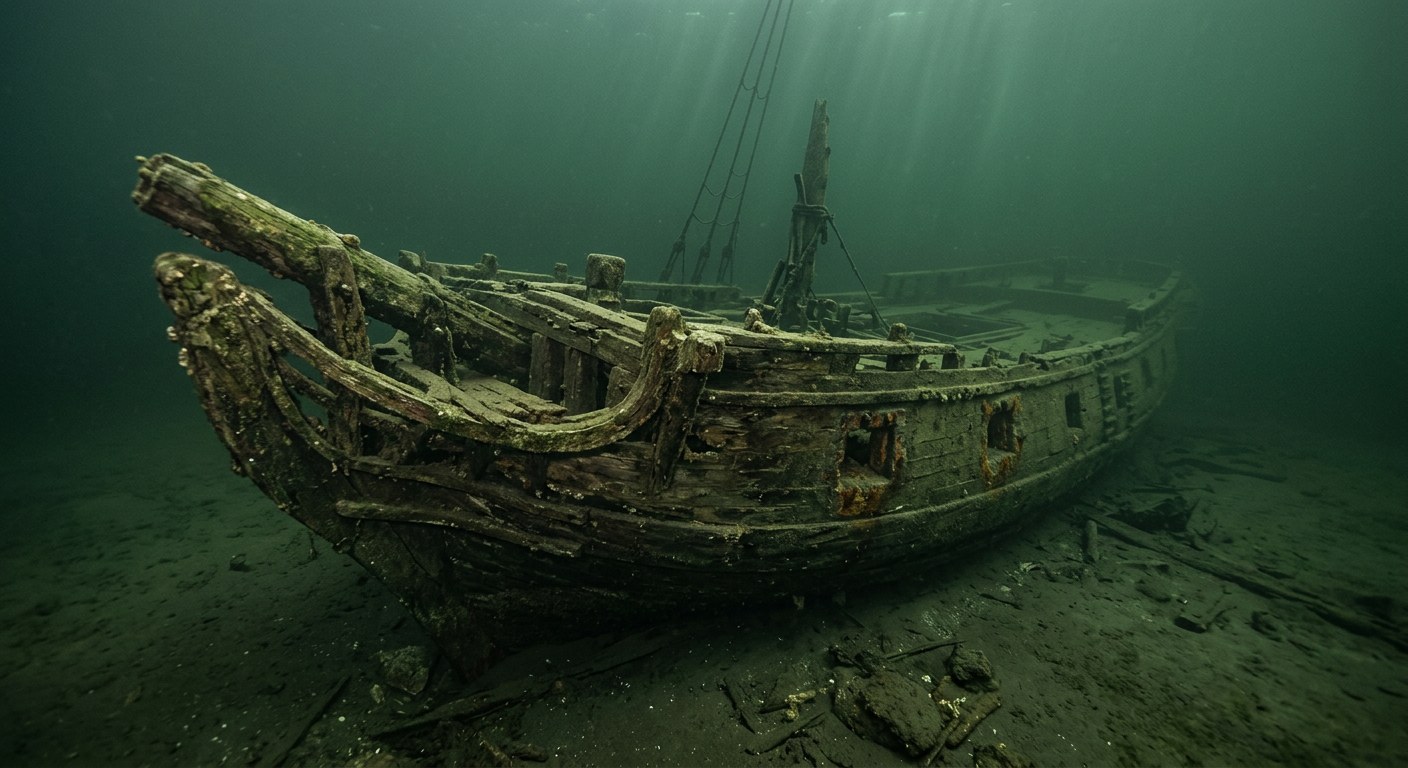
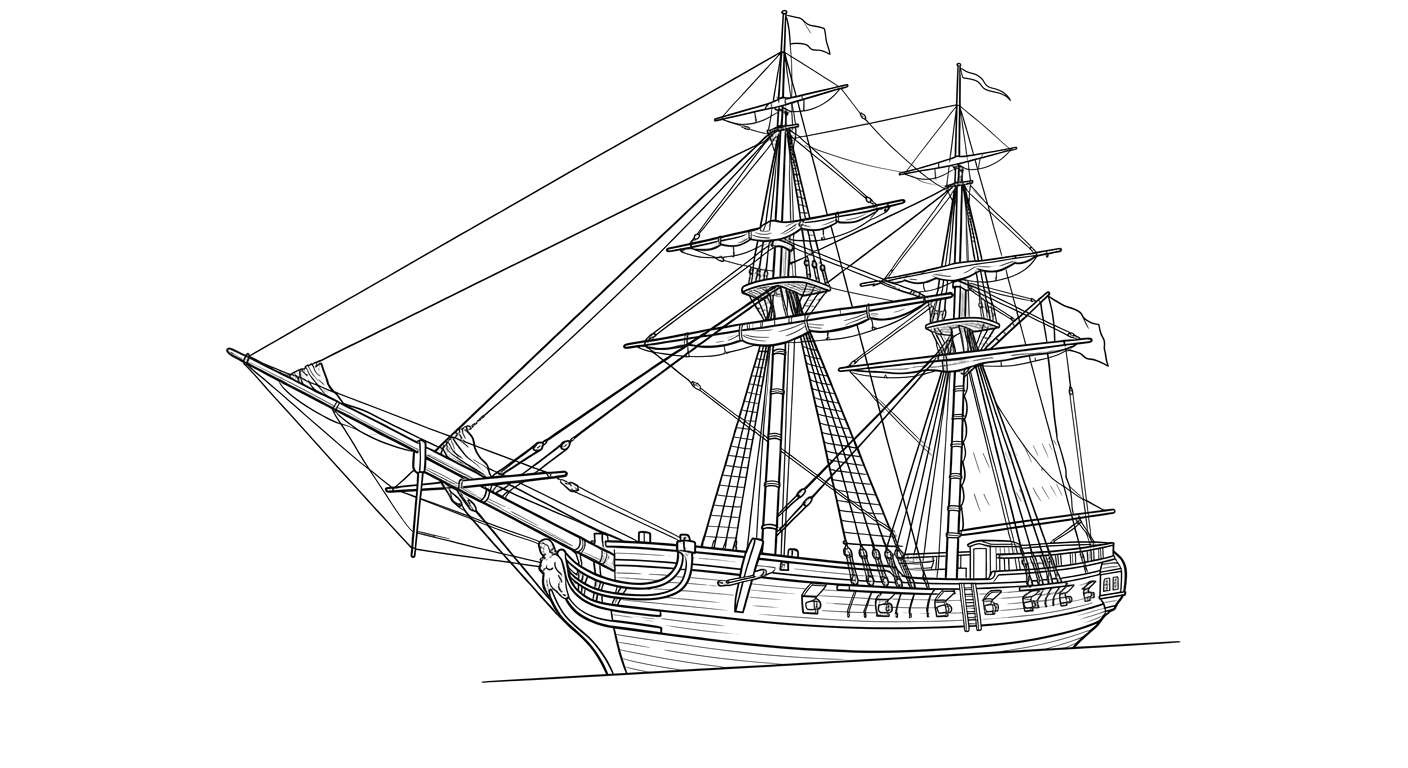
Boscawen was built in less than two months in 1759 at the British King's Shipyard near newly captured Fort Ticonderoga, alongside the brig Duke of Cumberland, to contest French naval power on Lake Champlain. After her service in the Seven Years' War, she was abandoned and sank in the shallow waters off the shipyard. In 1983 surveyors from the Champlain Maritime Society located her remains along with two other 18th-century hulls, and excavated her in 1984-1985.
Vessel
- 1759
- NYSM 11684
- Royal Navy shipwrights, King's Shipyard
- Ticonderoga, New York
- Wood
- 70 ft
- Not established
- 115
- Sail
- Royal Navy, Lake Champlain squadron
Loss
- Abandoned and sank at the King's Shipyard near Fort Ticonderoga after the Seven Years' War; the exact year is not established in the sources reviewed.
- Not established
- King's Shipyard, near Fort Ticonderoga, Lake Champlain
- Lake Champlain
- Not established
- Not established
- Not established
- Not established
- Not established
The Wreck Today
- Not established
- Substantial lower hull survived, over 70 feet long even in deteriorated condition; excavated in 1984-1985.
- Not established
- 1983
- Documented archaeological site (New York State Museum accession NYSM 11684)
Position
- Not established
- Position not established
- Fort Ticonderoga, New York
Evidence
Overall confidence: Partially documented (72/100)
The exact year of sinking and the wreck's present depth are not established in the sources reviewed.
Lake Champlain Maritime Museum
Discovery, excavation history, dimensions, and archaeological significance.
Texas A&M University, "The Sloop Boscawen: Hull Construction and Design" (Daniel E. Bishop)
Confirmation of discovery context and construction analysis.