San Esteban
Spanish Merchant Ship (Treasure Flotilla) · Spain · Lost 1554 · Texas & the Western Gulf
One of three treasure ships wrecked on Padre Island in 1554, San Esteban yielded the world's oldest dated mariner's astrolabe.
Become Captain of RecordSee Shipwreck on Map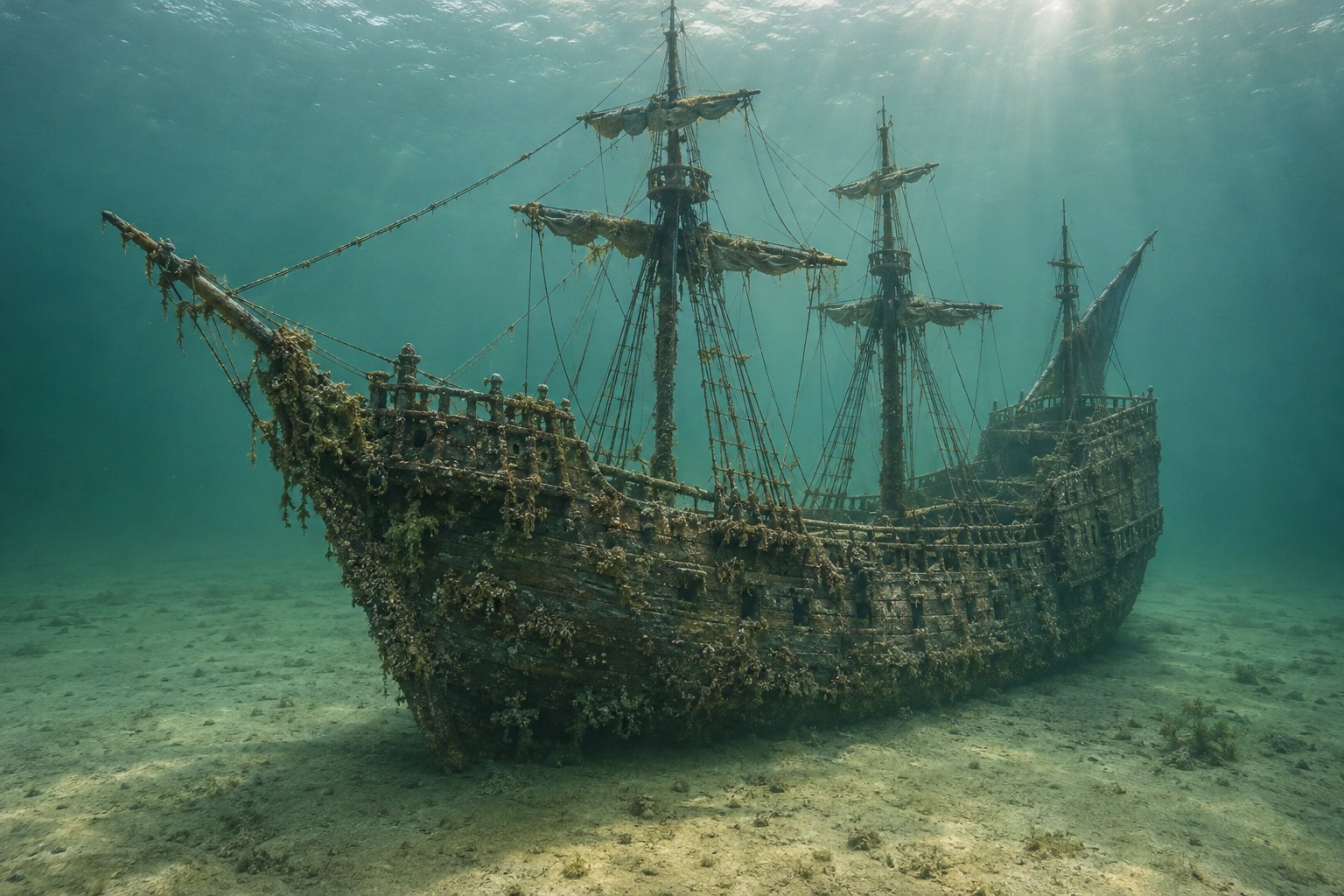
The Vessel and Her Loss
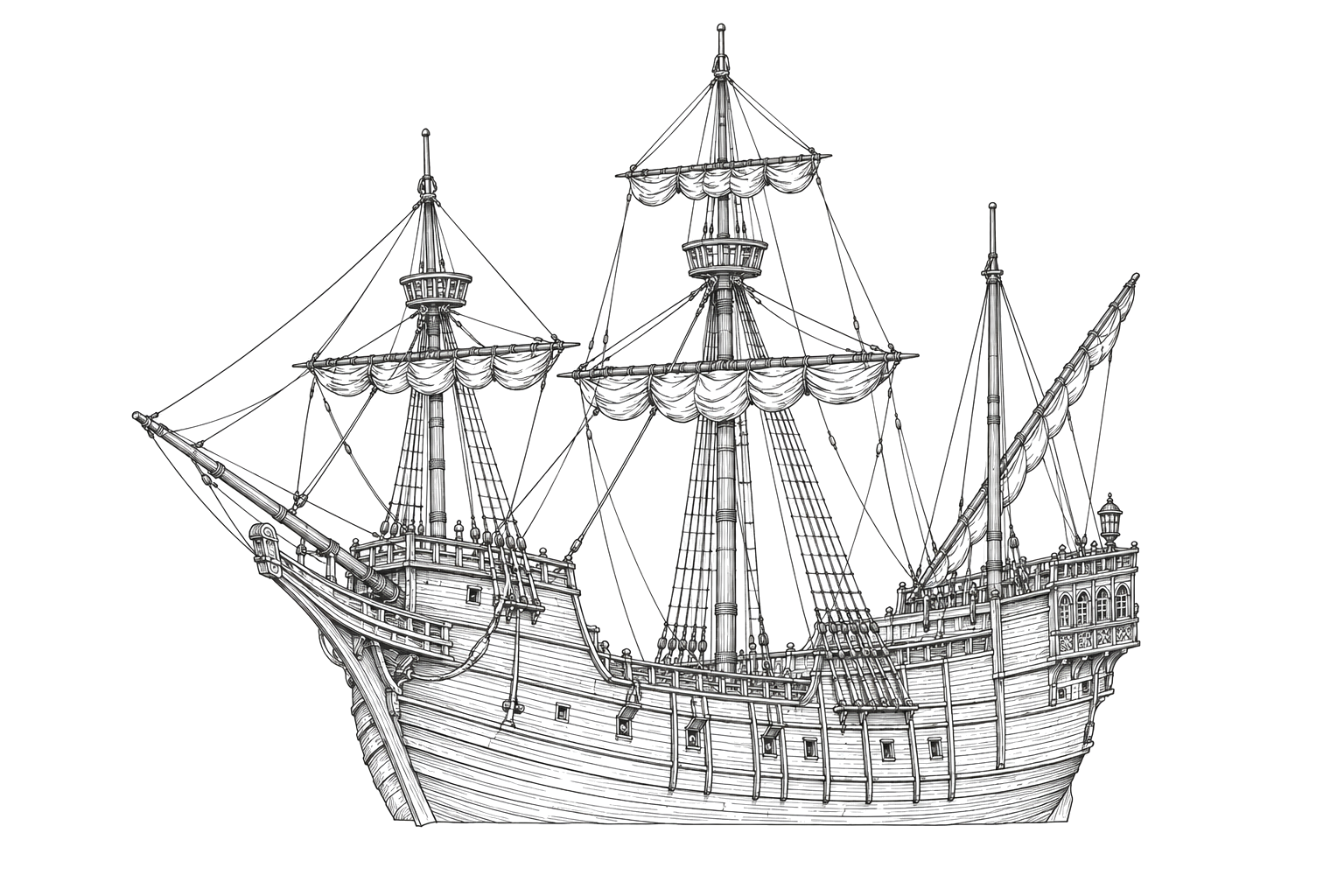
San Esteban sailed from Spain in 1552 with the New Spain fleet. In April 1554 she left Veracruz with three other ships carrying treasure for Cuba. A storm on April 29 drove three of them ashore on what is now Padre Island, Texas. Many of the roughly 300 aboard drowned, and most survivors died trying to walk to Mexico. Her remains were found in 1970 and excavated in 1972–73; the finds are at the Corpus Christi Museum of Science and History.
Vessel
- Not established
- Not established
- Not established
- Wood
- Not established
- Not established
- Not established
- Sail
- Not established
Loss
- April 29, 1554
- Storm
- Padre Island
- Gulf of Mexico
- Veracruz (San Juan de Ulúa), New Spain → Havana, Cuba
- Treasure and goods from New Spain
- Not established
- Most of about 300 sailors and passengers on the three wrecked ships died.
- Not established
The Wreck Today
- Not established
- Not established
- Not established
- Not established
- Within Padre Island National Seashore; Mansfield Cut Underwater Archeological District
Position
- 26.84° N 97.37° W
- General area only
- Padre Island, Texas
General area only: pin marks Padre Island, Kenedy County, Texas, the named place in this vessel's loss record, from the OpenStreetMap gazetteer. It is not a surveyed wreck position.
Evidence
Overall confidence: Partially documented (70/100)
The toll aboard San Esteban alone is not established.
Wikipedia — San Esteban (1554 shipwreck)
Construction, service history and loss narrative.
Texas Historical Commission
Excavation of the 1554 wrecks.
OpenStreetMap gazetteer — Padre Island, Kenedy County, Texas
coordinate of the named place of loss