Guerrero
Slave Brig · Spain · Lost 1827 · The Florida Keys
A Havana-based pirate slave ship that wrecked on a Florida Keys reef in 1827 while fleeing a British anti-slavery patrol, drowning 41 captive Africans.
Become Captain of Record
The Vessel and Her Loss
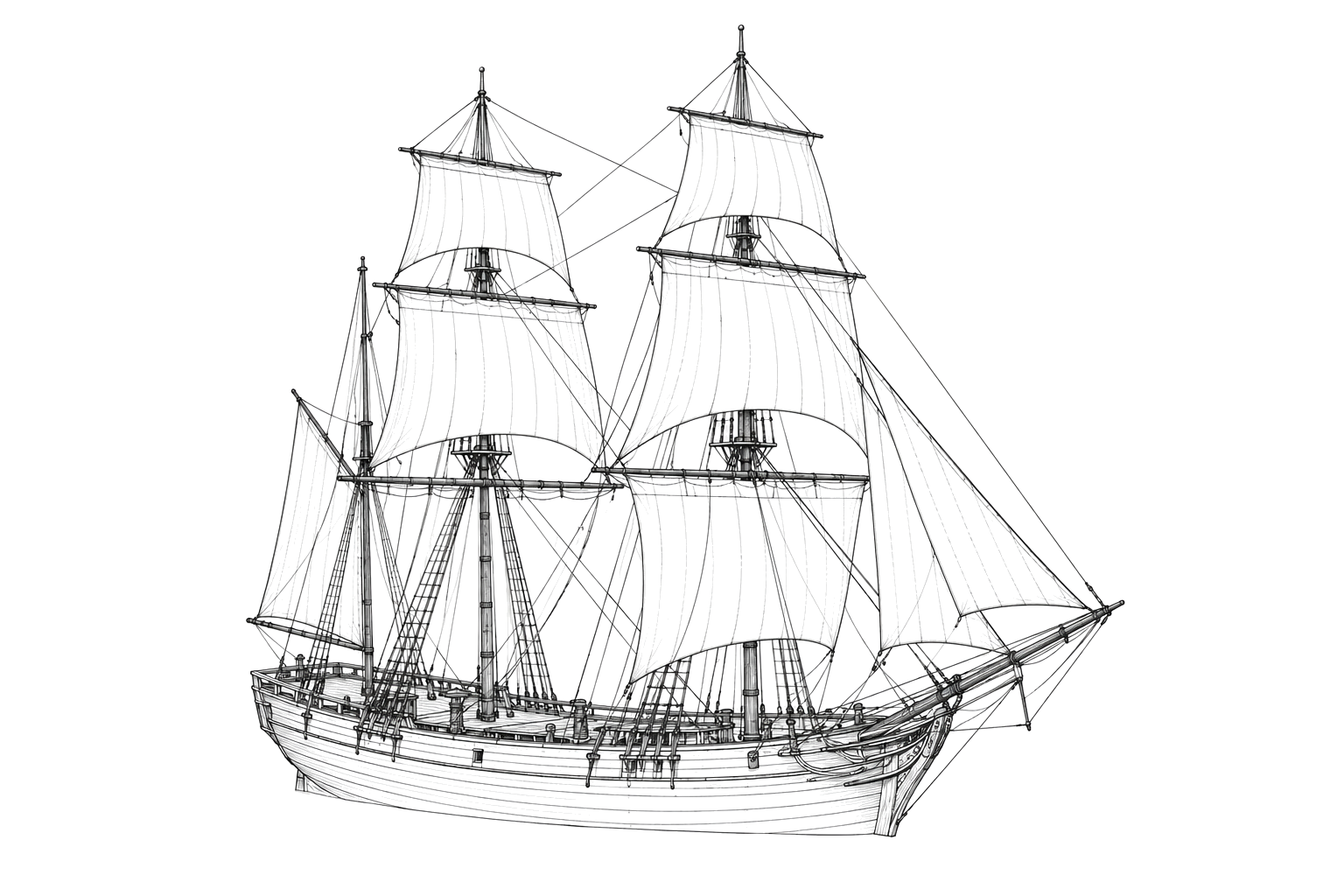
Built in Connecticut in 1813 as the American privateer James Monroe, the vessel passed through several names and owners before becoming the Havana pirate-slaver Guerrero under captain José Gómez. In December 1827, while carrying more than 500 illegally trafficked Africans toward Cuba, Guerrero was chased by the British anti-slavery patrol schooner HMS Nimble and ran onto a reef near Key Largo in the dark. Forty-one captives drowned in the wreck; most others were rescued, though Spanish crew members later seized wrecking vessels and carried hundreds of survivors into slavery in Cuba. The wreck's exact remains have never been conclusively confirmed despite decades of search.
Vessel
- 1813
- Amasa Miller
- New London, Connecticut
- Wood
- 110 ft
- 27 ft
- 323
- Sail
- Havana-based pirate and slave trader José Gómez ('Guerrero')
Loss
- December 19, 1827
- Grounding
- Reef near Key Largo, Florida
- Straits of Florida
- West Africa → Havana, Cuba
- 561 captive Africans
- 651
- 41
- José Gómez
The Wreck Today
- Not established
- Tentatively identified wreck site under long-term investigation; not conclusively confirmed
- Not established
- 2003-2005 magnetometer surveys; ongoing investigation since
- Search area overlaps Biscayne National Park and Florida Keys National Marine Sanctuary waters
Position
- Not established
- Position not established
- Carysfort Reef, Key Largo, Florida
A candidate wreck near Carysfort Reef has been proposed as Guerrero but has not been definitively confirmed.
Evidence
Overall confidence: Documented (75/100)
The precise wreck site has not been conclusively confirmed; a candidate site near Carysfort Reef remains under archaeological investigation.
Vessel history, pursuit narrative, and loss details.
Society for Historical Archaeology (Corey Malcom research)
Wreck-site survey findings and identification status.
Casualty figures, aftermath, and historical context.