El Rubi
Armed Galleon · Spain · Lost 1733 · The Florida Keys
The 1733 Spanish treasure fleet's flagship, wrecked in a hurricane off Tavernier and later the birthplace of America's first shipwreck museum.
The Vessel and Her Loss
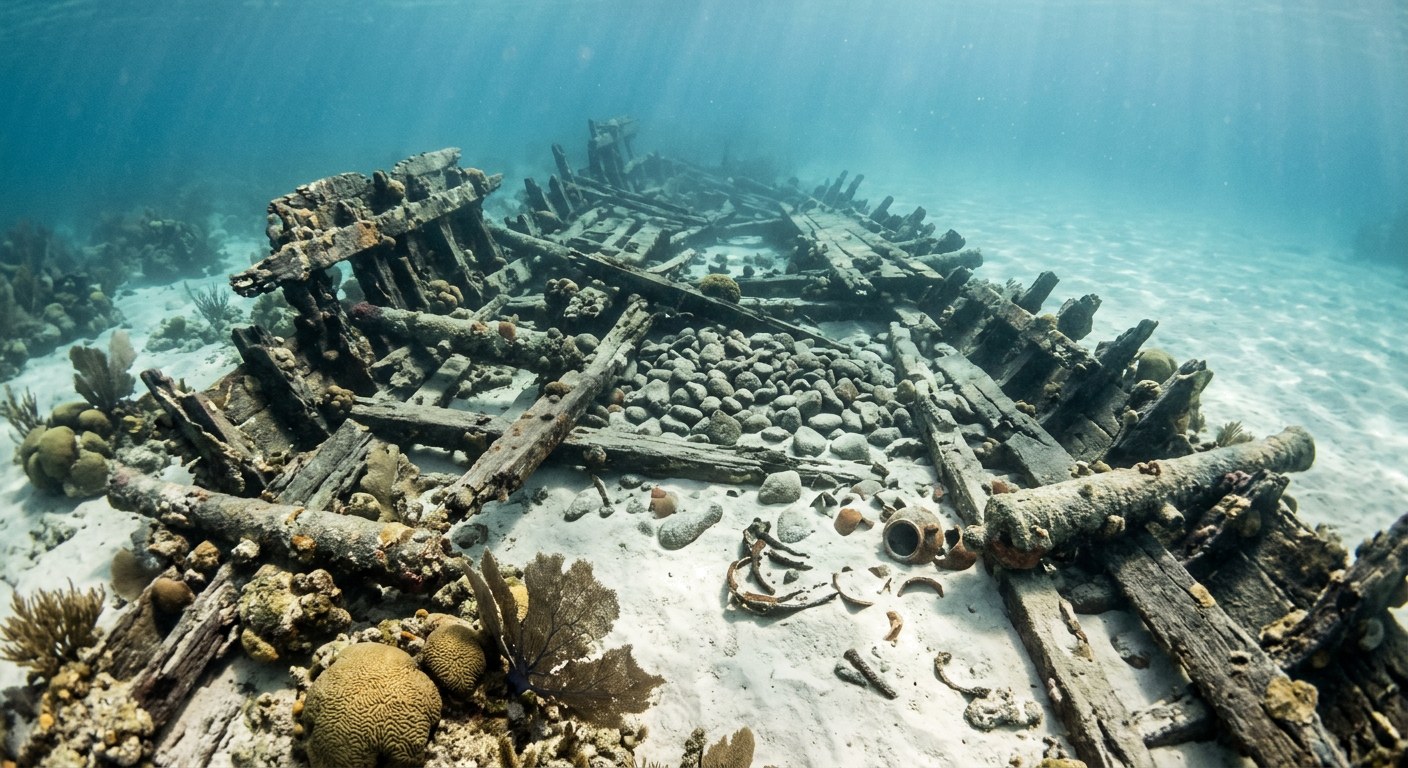
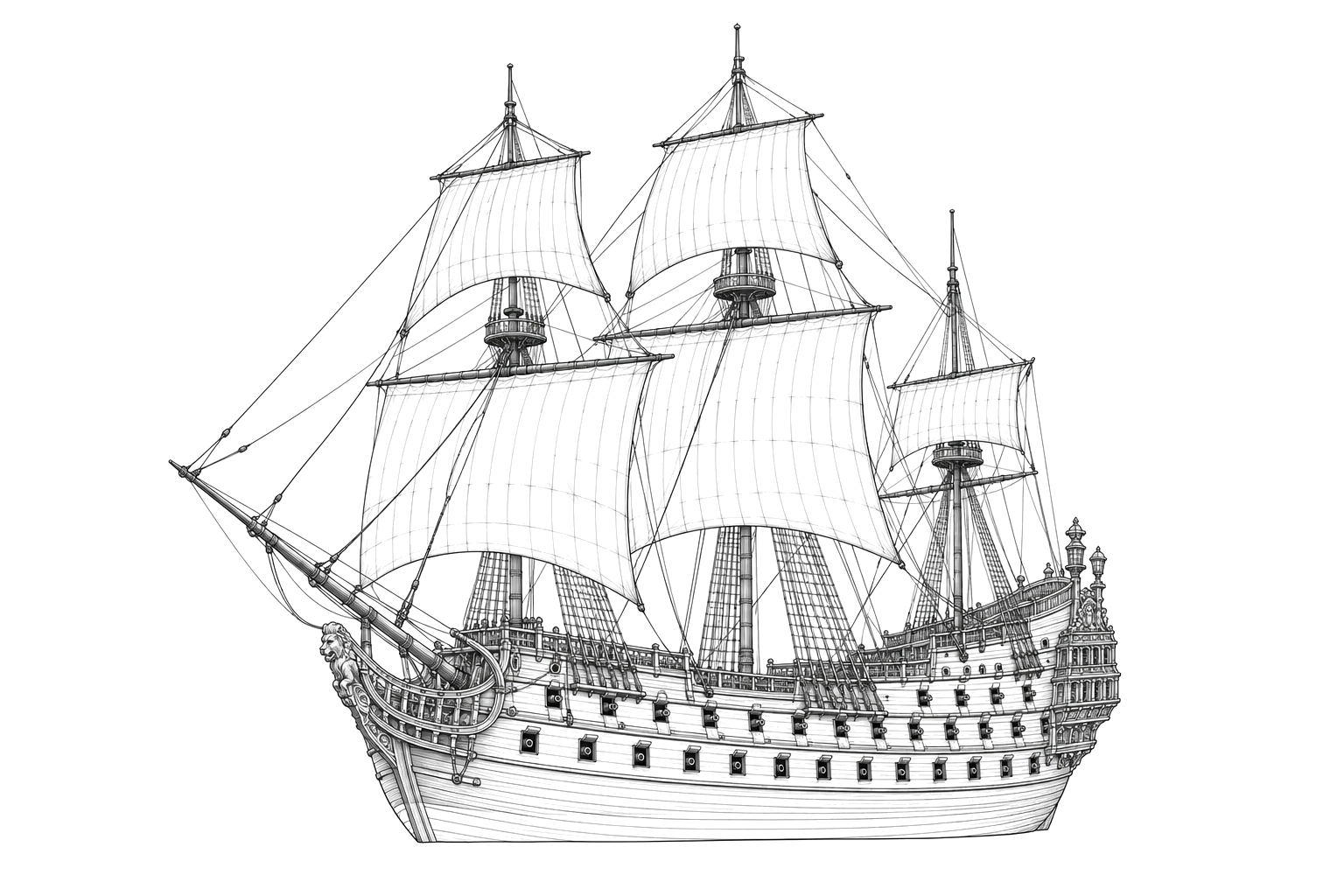
El Rubi was the armed flagship of Lieutenant General Rodrigo de Torres's 1733 New Spain flota, carrying the king's treasure home to Spain. A hurricane on July 15, 1733, drove the entire fleet onto the Florida Keys reefs, and El Rubi grounded and flooded northeast of Upper Matecumbe Key. Spanish salvors recovered nearly all the registered silver within weeks. The wreck lay forgotten until 1938, when diver Art McKee began working the site, later opening one of the first museums devoted to a single shipwreck.
Vessel
- Not established
- Not established
- Not established
- Wood
- Not established
- Not established
- Not established
- Sail
- Spanish Crown
Loss
- July 15, 1733
- Storm
- Reef northeast of Upper Matecumbe Key, near Tavernier
- Atlantic Ocean, Hawk Channel
- Havana, Cuba → Cádiz, Spain
- Over 2,000 boxes of gold and silver coin and bullion, copper ingots, cochineal, indigo, vanilla, chocolate, tobacco
- Not established
- 3
- Lt. General Rodrigo de Torres (fleet commander); master Don Balthesar de la Torre
The Wreck Today
- 27 ft
- Ballast mound with scattered timbers and artifacts; extensively salvaged historically and by modern treasure divers
- Not established
- 1938
- Listed on the National Register of Historic Places (El Rubi Shipwreck Site); within Florida Keys National Marine Sanctuary
Position
- Not established
- Position not established
- Tavernier, Florida
Florida Heritage sources describe the site as roughly 27 feet deep off Tavernier Key but do not publish a precise decimal position for this record.
Evidence
Overall confidence: Documented (78/100)
Precise coordinates, tonnage, and full construction details are not established in the sources reviewed.
Florida Division of Historical Resources, 1733 Spanish Galleon Trail
Loss narrative, cargo, casualties, discovery and salvage history.
National Park Service, National Register of Historic Places
NRHP listing confirming site location and significance.