Betsy
Sailing Ship · United Kingdom · Lost September 1781; the precise day is not documented in the sources reviewed · Chesapeake Bay
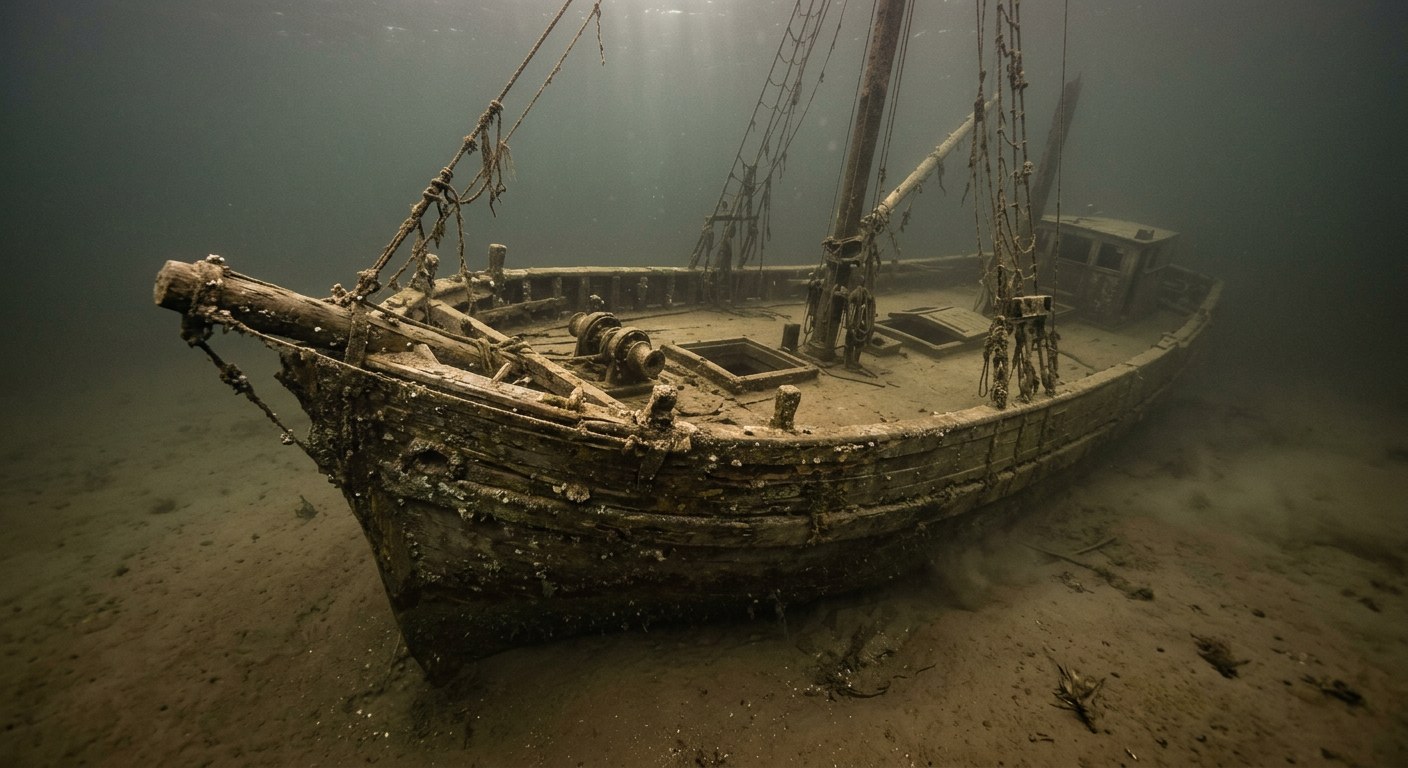
A chartered English collier was scuttled in the York River on Cornwallis's orders during the Siege of Yorktown in 1781, and her well-preserved hull remains the finest wreck of the Revolutionary War.
The Vessel and Her Loss
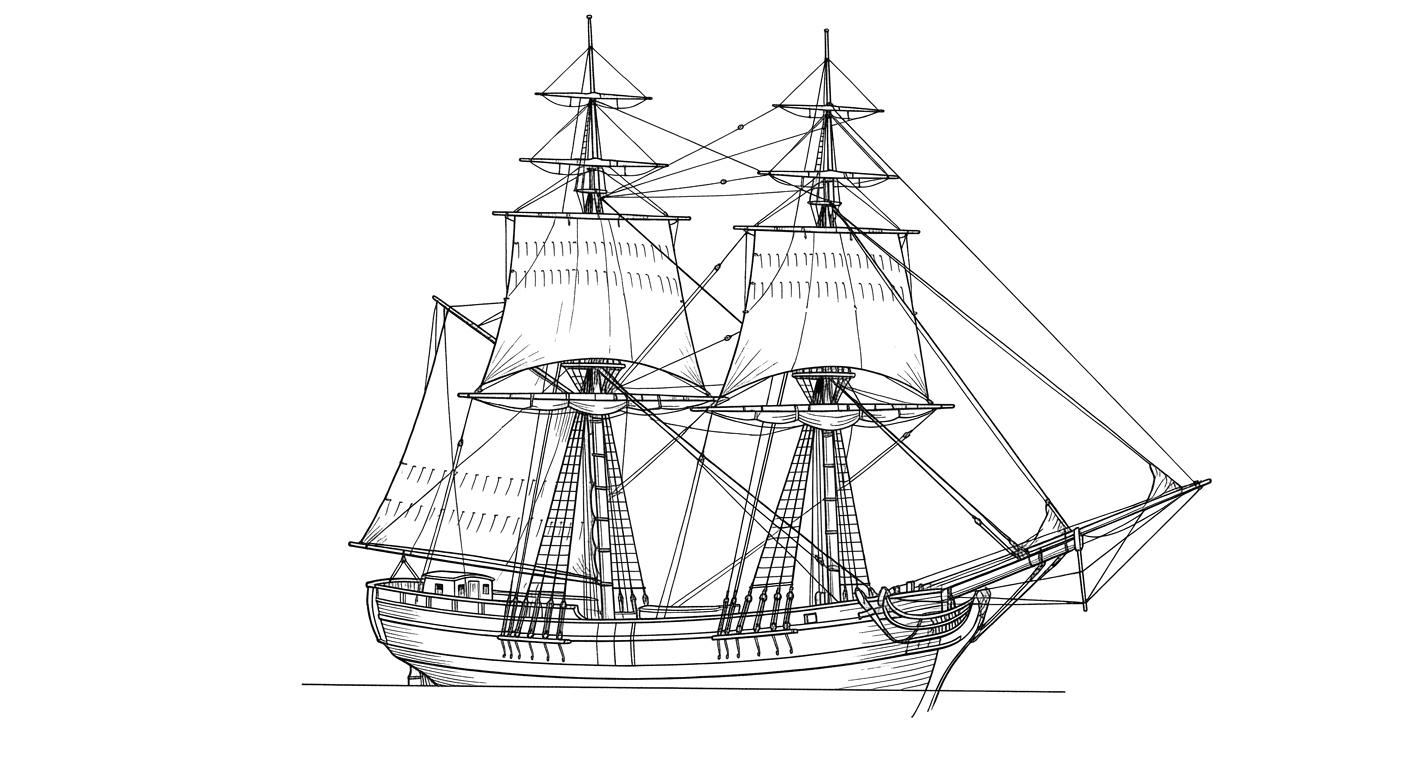
Betsy was a wooden collier built in 1772 at Whitehaven, England, and chartered as a victualler carrying provisions for British forces in America. During the Siege of Yorktown in September 1781, General Cornwallis ordered her scuttled off the waterfront to create a barrier against French amphibious landings. The wreck was discovered in the 1970s by John Broadwater and became the focus of a major archaeological excavation. Her well-preserved hull, preserved in place, is the finest known wreck of the Revolutionary War.
Vessel
- 1772
- Archaeological site 44Yo88
- Not established
- Whitehaven, England
- Wood
- 75 ft
- Not established
- About 180 to 190 tons
- Sail, brig-rigged
- Chartered as a British Army victualler
Loss
- September 1781; the precise day is not documented in the sources reviewed
- Intentional sinking
- Off the Yorktown waterfront
- York River
- Cork, Ireland → Yorktown, Virginia
- Provisions and stores
- Not established
- 0
- Not established
The Wreck Today
- 20 ft
- Well-preserved hull, preserved in situ.
- Not established
- 1978
- Protected state and federal archaeological site
Position
- 37.23° N 76.50° W
- Surveyed position
- Yorktown, Virginia
Published archaeological site position for wreck site 44Yo88.
Evidence
Overall confidence: Well documented (95/100)
The precise day of the scuttling in September 1781 is not documented in the sources reviewed.
Broadwater, Yorktown Shipwreck 44Yo88 (archaeological report)
Site record, vessel identification, excavation findings.
Historical Marker Database, The Brig Betsy
Scuttling account and site location.