Barge America
Barge · United States · Lost 1914 · The Salish Sea
A veteran Atlantic and Pacific bark (or barque) converted to haul coal ended a forty-year career on a San Juan Island reef in fog in 1914, her Liberty figurehead saved from the surf.
Become Captain of RecordSee Shipwreck on Map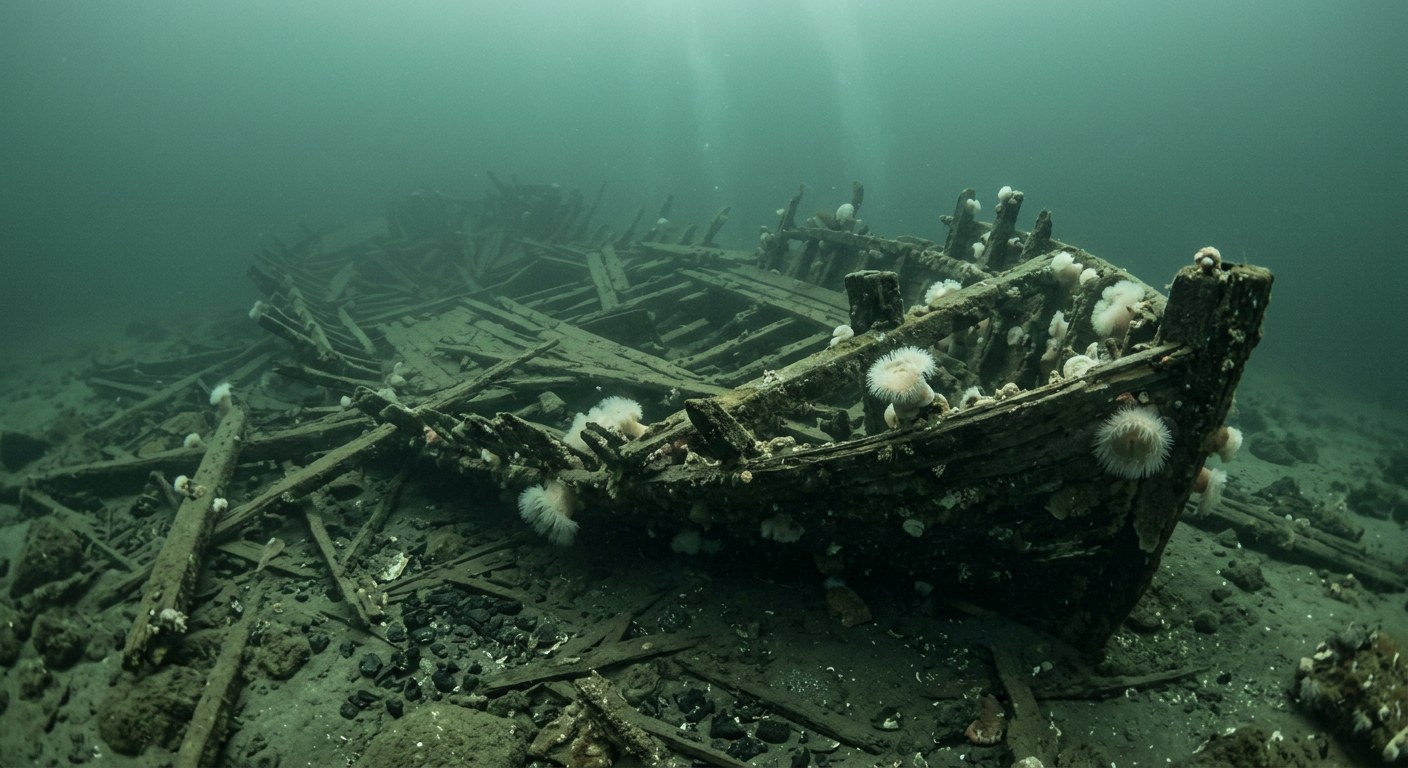
The Vessel and Her Loss
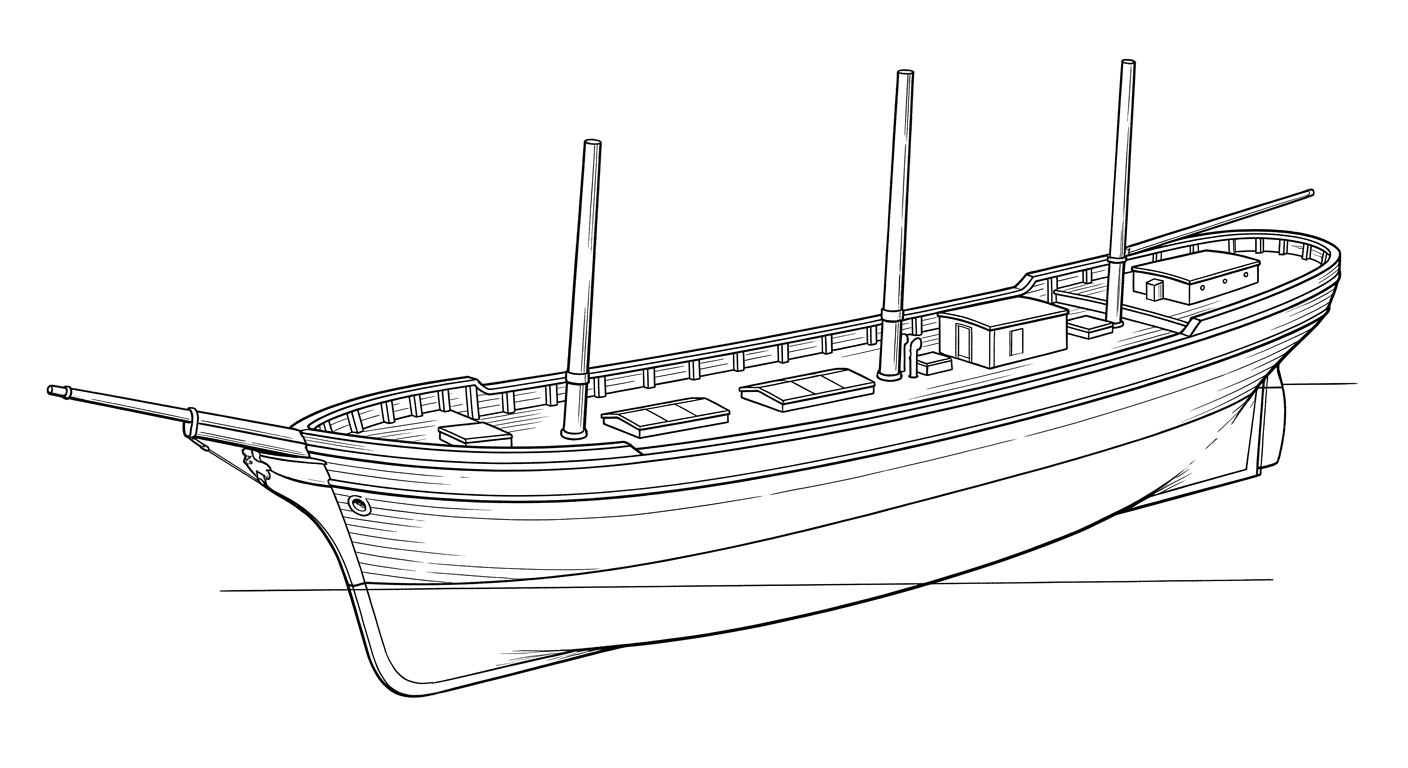
America was launched as a wooden sailing bark in 1874 at Quincy, Massachusetts, and spent decades in the Atlantic and Pacific trades before conversion to a coal barge in 1907 for James Griffiths & Sons. On August 30, 1914, while under tow by the tug Lorne in heavy fog, both vessels struck a reef at Kanaka Bay on San Juan Island. The tug was later raised, but the America was a total loss with her 1,200 tons of coal. Her two crewmen escaped safely, and her figurehead was recovered from the wreck.
Vessel
- 1874
- Not established
- Quincy, Massachusetts
- Wood
- 208 ft
- 40 ft
- 1,225 tons
- None; towed
- James Griffiths & Sons
Loss
- August 30, 1914
- Grounding
- Kanaka Bay, west side of San Juan Island
- Haro Strait
- Seattle, Washington → Vancouver, British Columbia
- 1,200 tons of coal
- 2
- 0
- James Christensen
The Wreck Today
- About 30 to 60 feet
- Broken wood remains with scattered coal.
- Not established
- Not established
- Not established
Position
- 48.48° N 123.08° W
- Approximate position
- Friday Harbor, Washington
Approximate position at Kanaka Bay, San Juan Island.
Evidence
Overall confidence: Documented (85/100)
Reported grounding coordinates vary between sources and are given as approximate.
HistoryLink.org, Tug Lorne and Barge America
Loss date and context.
James Griffiths & Sons (Grokipedia)
Build details and figurehead salvage.